



Heart Bypass Surgery in LB Nagar
CABG, OPCAB, MIDCAB, valve repair, aortic surgery, and beating-heart procedures
The cardiac surgery team at Kamineni Hospitals, LB Nagar, treats coronary artery blockages that limit blood flow to the heart muscle. Procedures range from on-pump coronary artery bypass grafting to off-pump beating-heart surgery and minimally invasive direct coronary artery bypass. The department runs a dedicated catheterisation laboratory, a 16-bed ICCU with round-the-clock monitoring, and cardiac operating theatres with perfusion support. 34+ years of multispeciality care. 3,000+ beds across South India.
Care spans from preventive cardiology through interventional procedures to open cardiac surgery. A cardiologist evaluates your symptoms, orders tests, and manages medical therapy. When blockages are severe or widespread, a cardiothoracic surgeon takes over for bypass grafting. The two teams sit on the same campus, so a patient does not shuttle between buildings for a second opinion. For diabetic patients or those with kidney disease, nephrology and endocrinology join the case review because these conditions change how we manage fluids, medication, and wound healing after surgery.
If you searched “best cardiac surgeon near me” or “heart hospital in LB Nagar”, you have found a unit that handles both planned consultations and urgent assessments. Walk in with recent angiogram films, or start from scratch with a stress test and echocardiogram. The team co-ordinates with neurology when a patient has had a prior stroke, and with pulmonology when lung function affects anaesthesia risk. Every plan is built from your history, not a preset package.
Heart Conditions Our Cardiac Surgeons Treat
Chest tightness that spreads to the jaw or arm is the complaint most people recognise, but some patients notice only breathlessness or nausea. The team handles the common through to the complex, and what happens next follows your diagnosis rather than a fixed package.
- Coronary artery disease: narrowed or blocked heart arteries reducing blood supply
- Triple vessel disease: severe blockages in all three major coronary arteries
- Left main stem stenosis: critical narrowing of the artery supplying most of the heart
- Post-heart-attack complications: ventricular septal defect or papillary muscle rupture after infarction
- Angina refractory to medication: chest pain persisting despite optimal drug therapy
- Heart valve disease: stenosis or regurgitation of the aortic, mitral, or tricuspid valves
- Aortic aneurysm: dangerous ballooning of the body's main artery
- Previous bypass graft failure: new blockages in earlier bypasses needing revision
- Cardiogenic shock: heart unable to pump enough blood to sustain the body
- Combined coronary and valve disease: both conditions present and treated in one operation
When Should You See a Cardiac Surgeon?
How do you know it is time for surgical evaluation, not just a medication change? If your cardiologist has mentioned “significant blockages” or “not amenable to stenting”, ask for a surgical opinion. You should also seek review if symptoms persist despite taking prescribed medicines correctly.
- Chest pain or pressure that returns during routine walking or climbing one flight of stairs
- Shortness of breath that wakes you from sleep or forces you to use extra pillows
- Abnormal stress test results showing reduced blood flow to parts of the heart muscle
- Angiogram report describing left main disease or triple vessel involvement
- Diabetes combined with diffuse coronary disease, which often needs bypass rather than stents
- Family history of early heart attack in a parent or sibling before age 55
- Previous angioplasty with restenosis, meaning the artery has narrowed again
- Fainting episodes with no clear neurological cause, suggesting a cardiac rhythm or output problem
Not every chest pain is cardiac. The surgeon weighs whether your pain matches a pattern typical of reduced blood flow, and whether tests support that story. Acid reflux, muscle strain, and anxiety can mimic angina. The difference is in the timing, the triggers, and what the ECG and troponin show.
Symptoms That Need Emergency Cardiac Care
Do not delay. Do not drive yourself. Call for an ambulance or have someone take you.
- Crushing chest pain lasting more than 15 minutes, not relieved by rest
- Sudden severe breathlessness with cold sweat and nausea
- Pain spreading to the left arm, jaw, or back with dizziness
- Loss of consciousness with no warning
- Fast, irregular heartbeat with chest discomfort and near-fainting
Kamineni Hospitals, LB Nagar: +91 70362 70362. Emergency and critical care runs 24 hours.


Cardiac Diagnostic Tests at Kamineni Hospitals
The cardiac team orders tests to confirm that chest symptoms come from blocked arteries, to map how many vessels are involved, and to check whether the heart muscle has already been damaged. Tests follow your symptoms and history rather than a fixed package. NABH and NABL accreditation governs how samples and images are handled.
- Resting ECG: records the heart’s electrical activity at rest, looking for past or ongoing ischaemia
- Troponin blood test: measures a protein released when heart muscle is injured, used to rule out or confirm a heart attack
- Echocardiogram: ultrasound imaging showing how the heart walls move and how valves open and close
- Stress test or stress echocardiography: imaging during exercise or medication-induced stress to reveal reduced blood flow under load
- CT coronary angiography: non-invasive scan using X-rays and contrast to visualise artery narrowing without inserting a catheter
- Invasive coronary angiography: catheter-based imaging through the wrist or groin, the definitive map of blockages before surgery is planned
- Cardiac MRI: detailed soft-tissue imaging to assess heart muscle viability and scarring when revascularisation options are debated
The team does not start with cardiac MRI in every patient. They wait to see what the echocardiogram and angiogram show, because those two tests answer most surgical questions faster and at lower cost.
Cardiac Treatments and Procedures
The choice between medication, stenting, and open surgery depends on how many arteries are blocked, where the blockages sit, and how well the heart is pumping. The cardiology and cardiothoracic teams meet to review angiogram findings together, so you hear both perspectives before deciding.
Non-Surgical Cardiac Treatment
- Medical management: antiplatelets, statins, beta-blockers, and nitrates to reduce symptoms and slow disease progression
- Cardiac rehabilitation: supervised exercise and diet modification after a heart attack or stent, building stamina before any future surgery
- Risk factor control: structured diabetes, blood pressure, and cholesterol management to delay or avoid intervention
- Anticoagulation clinic: monitoring for patients with atrial fibrillation or mechanical valves to prevent stroke
- Heart failure optimisation: medication tuning and fluid balance for weakened hearts not yet needing transplant or mechanical support
Surgical Cardiac Treatment
- On-pump CABG: heart-lung machine takes over circulation while grafts are sewn beyond the blockages
- Off-pump CABG (OPCAB): beating-heart surgery without the pump, useful when aortic disease makes cannulation risky
- Minimally invasive direct CABG (MIDCAB): small left thoracotomy incision for single-vessel grafting, shorter recovery
- Valve repair or replacement: preserving or replacing the aortic or mitral valve, sometimes combined with bypass in one operation
- Aortic surgery: graft replacement for aneurysm or dissection involving the ascending aorta or aortic arch
Many patients are managed without surgery for months or years. The department will not operate unless the diagnosis and imaging support it.
Why Choose Kamineni Hospitals, LB Nagar?
You can verify what this branch offers by calling +91 70362 70362 and asking for the cardiac surgery coordinator.
- Dedicated cardiac catheterisation laboratory on the same floor as the ICCU
- 16-bed ICCU with round-the-clock intensivist cover and invasive monitoring
- Cardiac operating theatres with full perfusion support for on-pump and off-pump surgery
- Cardiothoracic surgeons and interventional cardiologists on the same campus, enabling same-day multidisciplinary review
- Nephrology and endocrinology input for diabetic and kidney patients undergoing cardiac surgery
- Physiotherapy-led cardiac rehabilitation programme beginning in the ICCU and continuing as outpatient care
- NABH and NABL accredited laboratory and imaging services
- Cashless treatment recognised by 150+ insurance TPAs
- 24/7 emergency and critical care unit with thrombolysis and primary angioplasty capability
- 34+ years of multispeciality care with 3,000+ beds across South India
How to Reach Kamineni Hospitals, LB Nagar?
Address: Inner Ring Road, Suryodaya Colony, Central Bank Colony, Bahadurguda, Hyderabad, Telangana 500068. Phone: +91 70362 70362.
- LB Nagar Metro Station: about 3 km
- Kamineni Bus Stop: about 500 metres
- Rajiv Gandhi International Airport: about 25 km
The branch serves patients from LB Nagar, Bahadurguda, Suryodaya Colony, Central Bank Colony, and surrounding areas of Hyderabad. It is reachable by road from Warangal and Hanumakonda, where textile workers, agro-industry employees, and stone-processing labourers form a significant part of the patient population travelling for cardiac care.
Book a Consultation at Kamineni Hospitals, LB Nagar
Whether you need Heart Bypass Surgery in LB Nagar for severe coronary blockages or a second opinion after an angiogram, the cardiac team at Kamineni Hospitals can guide the next step. Bring your current medications list, prior test reports, and insurance card to the first visit.
For urgent symptoms, use the emergency entrance. For planned appointments, call or book online.
- Kamineni Hospitals, LB Nagar: +91 70362 70362
Book an appointment for Heart Bypass Surgery in LB Nagar at Inner Ring Road, Bahadurguda, Hyderabad 500068.
Heart Surgery Questions for LB Nagar Patients
BOOK AN APPOINTMENT
Meet Our Specialists

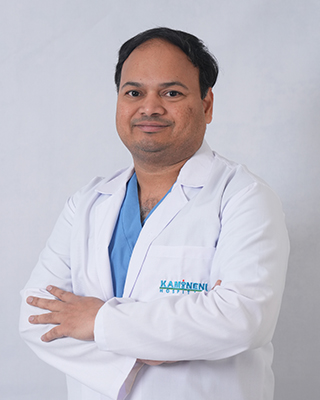
- Dr. Ayyappa Swamy Amara
- MBBS, M.S.[ENT], Fellowship Diploma In Lateral Skull Base Surgery
- Consultant ENT and Skullbase Surgeon

- DR. G SATYANARAYANA
- MBBS, MS (General Surgery), MCh (Paediatric Surgeon)
- Sr. Consultant General Surgeon

- Dr. Chaitanya
- MBBS, DNB - Anaesthesiology
- Consultant Anaesthesiologist
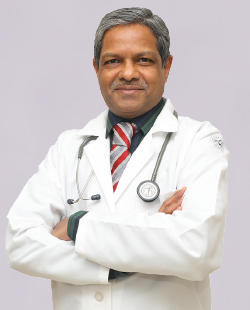
- DR. PARIMAL C BADDELA
- MBBS, DA (Anaesthesia)
- Sr. Consultant Anaesthetist

- Dr. P. Srilatha
- MBBS, PGDCC, CCEBDM
- Consultant Clinical Cardiologist

- DR. C. Anand Kumar
- MBBS M.S(ENT)
- Consultant ENT, Head & Neck Surgeon

- Dr. Bharath Vamsi Bhogavalli
- MBBS, MS, Mch (CVTS)
- Consultant Cardio Thoracic Surgeon

- DR. A SANTOSH KUMAR
- MBBS, MD (Internal Medicine), DM Nephrology (OGH)
- Sr. Consultant Nephrologist & Transplant Physician

- Dr. B. Sai Kanth Kumar
- MBBS, MD (Internal Medicine), DM (Nephrology)
- Consultant Nephrologist & Transplant Physician

- DR. V. VISHNU VARDHANA REDDY
- MS, MCh (Urology)
- Professor & HOD - Dept. of Urology, Senior Consultant Urologist, Laparoscopic and Transplant Surgeon

- Dr. Deepika J Sanbal
- MBBS, MD (DVL)
- Consultant Dermatologist

- Dr. Vamshee Krishna Kothapalli
- MBBS, Diploma in Anaesthesiology
- Consultant Cardiac Anaesthetist

- Dr. V Lal Meher Pradeep
- MBBS, DA, DNB, Indian Diploma in Regional Anaesthesia
- Consultant Liver Transplant Anaesthetist & Critical Care Physician

- DR. SURESH KUMAR
- MBBS, MD
- Chief Cardiac Anaesthetist

- DR. M.R.M BABU
- MBBS, MD, DM
- Sr. Consultant Cardiologist

- Dr. Mirza Mohammed Baig
- MBBS,PGDCC,DIPLOMA(CARDIOLOGY)
- Consultant Cardiologist

- DR. A RAVIKANTH
- MBBS, MD (General Medicine), DM (Cardiology)
- Sr.Consultant Cardiologist

- Dr. Sudheer Volluri
- MBBS, DrNB CTVS
- Consultant Minimally Invasive Robotic Cardiac Surgeon, Heart & Lung Transplant Surgeon
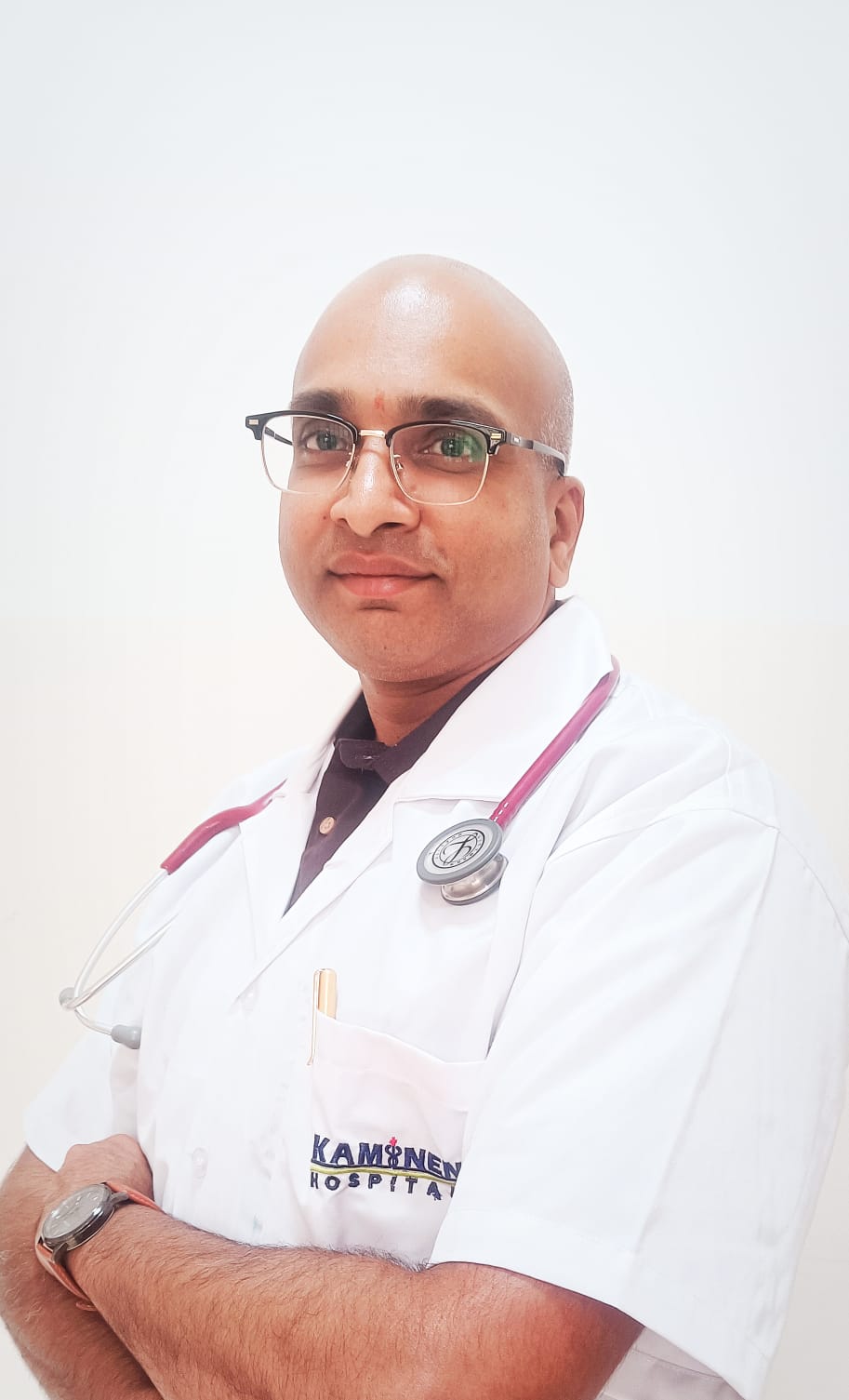
- DR. MUSUNOORU RAVI KIRAN
- MBBS, DrNB (Cardiothoracic Surgery)
- Consultant Cardiothoracic Surgeon

- Dr S Ranga Reddy
- MBBS M.D (Radio Diagnosis)
- Professor and Head of the Department Senior Consultant Radiologist
Doctor Talks
🧠 Brain Stroke – Symptoms, Causes & Treatment | Kamineni Hospitals – Vijayawada
Shining a light on Alzheimer’s Hope awareness and support
Patient Talks
Successful Treatment of Multinodular Goitre by Dr. Harsh Suri
Patient Overcomes Dengue & Organ Failure After Intensive Care
Media & News
Stay updated! Browse our Media & News releases for exclusive insights through our thoughtfully crafted press releases.

Kamineni Doctors Warn Against Ignoring Persistent Respiratory Symptoms
Kamineni Hospitals issued a monsoon respiratory health advisory, warning that seasonal infections, humidity and allergens can
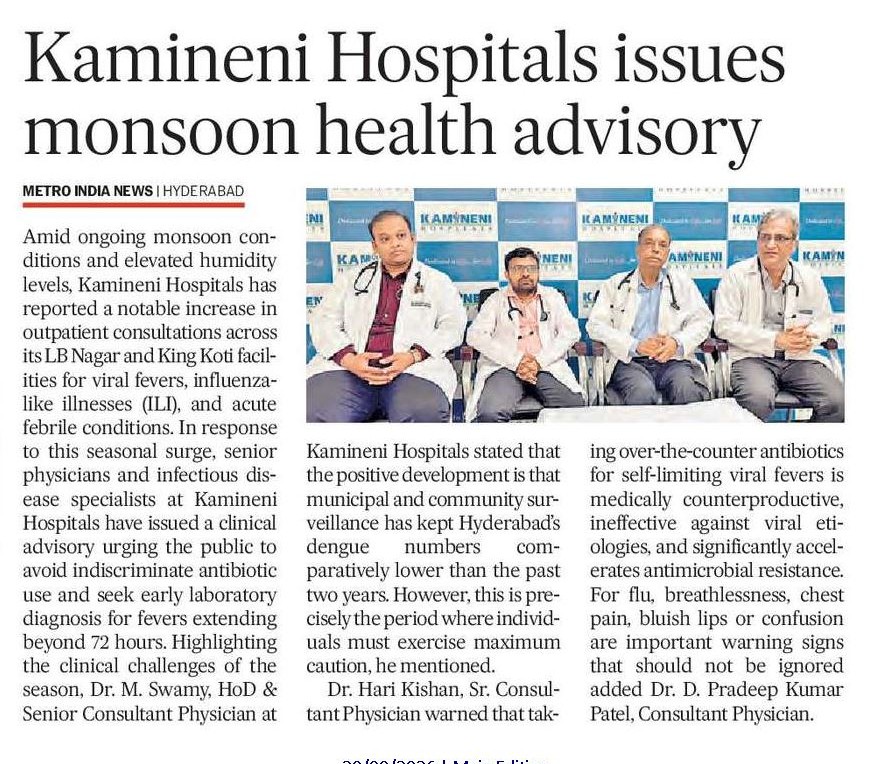
Kamineni Hospitals Issues Monsoon Health Advisory: Surge in Viral Fevers And Flu Across Hyderabad
In a landmark surgical achievement, doctors at Kamineni Hospitals successfully performed a radical nephrectomy on a